问答:Axinom与Rosen Aviation探讨联网座椅靠背平台
多年来,航空业观察家警告称,机上超高速Wi-Fi的引入最终将敲响嵌入式IFE系统的丧钟。然而,这些预测非但没有成为现实,反而出现了截然相反的范式:低地球轨道(LEO)及多轨道机上连接技术,加之边缘缓存技术的根本性进步……文章《问答:Axinom与Rosen Aviation探讨互联座椅靠背平台》首发于Runway Girl。

2026年9月18日
By Mary Kirby →
作者:Mary Kirby →
For years, aviation industry observers warned that the introduction of blazing-fast Wi-Fi onboard aircraft would ultimately spell the death knell of embedded IFE systems. Not only have those predictions not come to fruition, but quite the opposite paradigm has emerged: Low Earth Orbit (LEO) and multi-orbit inflight connectivity, together with fundamental advancements in edge caching and cloud computing, are driving innovation in seatback IFE and fueling new business propositions.
多年来,航空业观察人士一直警告称,机上超高速Wi-Fi的引入最终将敲响嵌入式机上娱乐(IFE)系统的丧钟。这些预测不仅没有成为现实,反而出现了完全相反的范式:低地球轨道(LEO)和多轨道机上连接,加上边缘缓存和云计算的根本性进步,正在推动座椅靠背IFE的创新,并催生新的商业主张。
Case in point: Rosen Aviation, which is perhaps best known for providing advanced cabin electronics to the business aviation community, and German software firm Axinom have teamed up to offer a new lightweight, wireless Connected Seatback Platform for airlines.
一个典型的例子是:Rosen Aviation——或许最为人所知的是为公务航空领域提供先进客舱电子设备——与德国软件公司Axinom联手,为航空公司提供全新的轻量化无线互联座椅靠背平台。
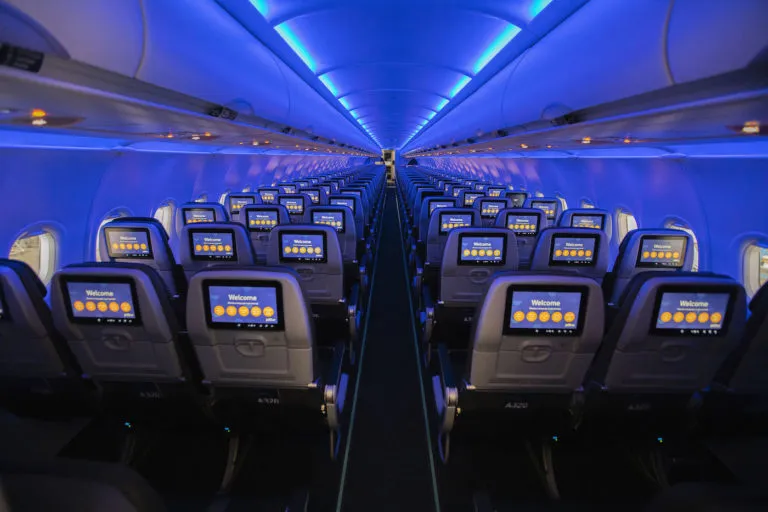
The system does away with the head-end server and miles of wiring found in traditional IFE systems. Instead, it transforms each seatback monitor into an edge node of the airline’s own cloud, which in turn holds the content, the application logic and the passenger data. Wiring to the seat carries power only, and each screen receives its data wirelessly over LEO satellite connectivity.
该系统摒弃了传统IFE系统中的头端服务器和数英里长的线缆。取而代之的是,它将每个座椅靠背显示器转变为航空公司自有云的边缘节点,而该云则承载内容、应用逻辑和乘客数据。连接座椅的线缆仅用于供电,每个屏幕通过LEO卫星连接无线接收数据。
The Connected Seatback Platform is billed by both firms as being “open to any use case and application the airline chooses” — naturally within the framework of whatever partnerships and licensing agreements the airline has forged with content creators, third-party OTT services and social networks.
两家公司都将互联座椅靠背平台宣传为”对航空公司选择的任何用例和应用开放”——当然,这是在航空公司与内容创作者、第三方OTT服务和社交网络建立的合作伙伴关系和许可协议框架内。
Here’s how it works. The passenger pairs their own device over the cloud with the seat, and the screen loads their profile from the cloud over its own connection. This profile includes their loyalty tier, preferences, watch history, past purchases, and the context of the flight they are on.
其工作方式如下。乘客通过云将自己的设备与座椅配对,屏幕则通过自身连接从云中加载其个人资料。该资料包括其忠诚度等级、偏好、观看历史、过往购买记录,以及其所乘航班的背景信息。
Crucially, however, the phone “stays the trusted device for authentication, so logins and payments happen there rather than on a shared surface, and the account is available at the seat for the duration of the flight, or for as long as the passenger stays logged in. Anyone who prefers not to sign in keeps a fully functional seat, without the personalization,” Axinom CEO Ralph Wager explains to Runway Girl Network.
然而至关重要的是,手机”仍是用于身份验证的可信设备,因此登录和支付在手机上完成,而不是在共享界面上进行,账户在飞行期间或乘客保持登录状态期间可在座椅上使用。任何不愿登录的人仍然可以拥有功能完整的座椅,只是没有个性化功能,”Axinom首席执行官Ralph Wager向Runway Girl Network解释道。
He continues:
他继续说道:
What that produces is a personalized version of the airline’s own experience: the home screen re-ranks, the catalog reflects what the passenger watched before, and commerce, upgrades, and offers are put in front of someone the airline knows.
这样产生的效果是航空公司自有体验的个性化版本:主页重新排序,内容目录反映乘客此前观看的内容,商务、升舱和优惠信息被推送给航空公司所了解的某个人。
Every client is connected to the same cloud ecosystem which knows the passenger’s identity, so the journey can run seamlessly across pre-, in-, and post-flight.
每个客户端都连接到同一个了解乘客身份信息的云生态系统,因此旅程可以在飞行前、飞行中和飞行后无缝衔接。
Identity, context, and entitlements travel with the passenger instead of being re-established at every touchpoint, so each one picks up where the previous left off rather than starting over. Across those touchpoints, the platform lets the airline offer passengers the content and services that are relevant in their respective phase of the journey.
身份、背景信息和权益随乘客一起流动,而不是在每个触点重新建立,因此每个触点都从上一个触点中断的地方继续,而不是从头开始。在这些触点之间,平台让航空公司能够为乘客提供其旅程各阶段相关的内容和服务。
Axinom is certainly no stranger to the wireless IFE realm. Its software stack powered the first bring-your-own-device wireless IFE system, Lufthansa Systems’ BoardConnect, and the company later delivered the digital solution behind Delta Flight Product’s wireless seatback IFE system. A key software partner to a raft of heavy-hitters in industry, the firm’s Axinom On-Board Cloud platform connects an airline’s ground cloud infrastructure directly to the aircraft cabin.
Axinom对无线IFE领域当然并不陌生。其软件栈曾为首个自带设备(BYOD)无线IFE系统——汉莎系统公司的BoardConnect——提供支持,该公司后来还为达美航空飞行产品公司的无线座椅靠背IFE系统提供了背后的数字解决方案。作为业内众多重量级企业的关键软件合作伙伴,该公司的Axinom On-Board Cloud平台将航空公司的地面云基础设施直接连接到飞机客舱。
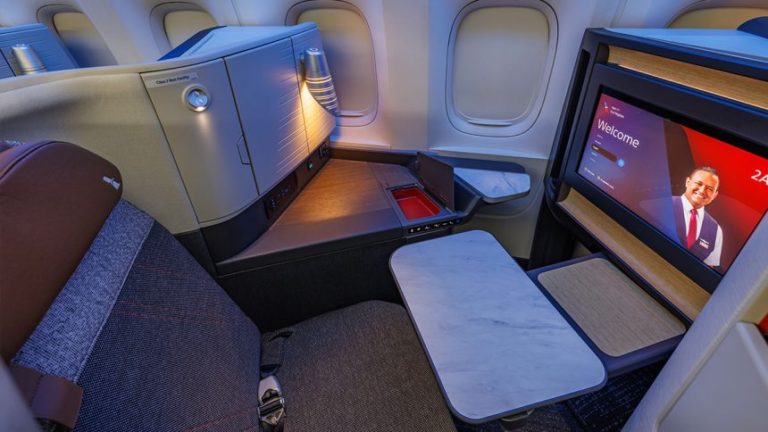
Eugene, Oregon-based Rosen Aviation, meanwhile, says it sources displays from all major manufacturers and carries out the avionics engineering, electronics development, and structural integration in-house, “so the display is built to the airline’s specification rather than chosen from a catalog.” That also means that large, connected displays — as large as 97″ — can be brought to shared cabin surfaces, which in turn supports use cases around digital signage and digital windows.
与此同时,总部位于俄勒冈州尤金的Rosen Aviation表示,它从所有主要制造商采购显示器,并在内部进行航空电子工程、电子开发和结构集成,”因此显示器是按照航空公司的规格制造的,而不是从产品目录中挑选的。”这也意味着,大尺寸互联显示器——最大可达97英寸——可以被引入共享客舱表面,进而支持数字标牌和数字窗户等用例。
Together, the two companies reckon they are uniquely positioned to change the game in IFE, and give stalwart players some fresh competition.
两家公司认为,它们共同拥有独特的优势,能够改变IFE领域的格局,并为老牌企业带来新的竞争。
“Move the brain to the cloud and everything changes,” says Wagner. “The screen stops being an entertainment terminal and becomes a device the airline can build on, the catalog stops arriving on a loading schedule, and the passenger at the seat is finally someone the airline knows rather than an anonymous session. Rosen is the ideal partner for this, with all the industry-specific knowledge and capabilities needed to rethink the cabin from the ground up.”
“把大脑移到云端,一切都会改变,”Wagner说。”屏幕不再是娱乐终端,而成为航空公司可以在此基础上构建的设备;内容目录不再按加载计划到达;座椅上的乘客终于成为航空公司所了解的人,而不是一个匿名会话。Rosen是这方面的理想合作伙伴,拥有从头重新思考客舱所需的全部行业特定知识和能力。”
This industry-specific knowledge will also come in handy when Rosen and Axinom seek to certify their system across aircraft types. As RGN readers are aware, aviation faces a number of challenges: a seat supply bottleneck, a more exacting environment on the linefit front for integrated IFE/seats, a chip crunch as a lot of memory chips are being directed at AI, and a stringent regulatory environment especially around head impact and neck injury criterion for seats.
当Rosen和Axinom寻求在各类飞机上为其系统取得认证时,这些行业特定知识也将派上用场。正如RGN读者所知,航空业面临诸多挑战:座椅供应瓶颈、集成IFE/座椅在linefit(原厂安装)方面更为严苛的环境、因大量存储芯片被转向AI而导致的芯片短缺,以及尤其围绕座椅头部撞击和颈部伤害标准的严格监管环境。
Sufficiently intrigued by Rosen and Axinom’s Connected Seatback Platform proposition, we sought additional color. Please enjoy our Q&A with Wagner and Rosen Aviation senior VP strategy, Lee Clark.
我们对Rosen和Axinom的互联座椅靠背平台主张产生了足够浓厚的兴趣,因此寻求了更多细节。请欣赏我们与Wagner以及Rosen Aviation战略高级副总裁Lee Clark的问答。
RGN: Can these wireless monitors be described as seat-centric? How much local storage do they have? Do Axinom and Rosen envisage that a certain amount of content will be locally stored in the event that the LEO connectivity is not available?
RGN:这些无线显示器能否被描述为以座椅为中心?它们有多少本地存储?Axinom和Rosen是否设想在LEO连接不可用的情况下,一定量的内容将被本地存储?
Wagner: Seat-centric is an accurate description, and so is passenger-centric. In this architecture the seatback screen is the central entity rather than a terminal at the end of a wire. Each screen is an edge node of the airline’s cloud, and that is what makes everything else possible. The passenger has access to everything relevant to them.
Wagner:以座椅为中心是一个准确的描述,以乘客为中心也是如此。在这种架构中,座椅靠背屏幕是中心实体,而不是线缆末端的终端。每个屏幕都是航空公司云的边缘节点,这正是使其他一切成为可能的原因。乘客可以访问与其相关的所有内容。
Clark: Both the storage question and the connectivity question come down to caching, up to currently available limits of 8 TB per display. Every screen caches, so content sits where it is actually watched, at the seat. If the connection drops, the system keeps running in a fallback mode on the cached content.
Clark:存储问题和连接问题都归结为缓存,目前每个显示器最高可达8 TB的可用上限。每个屏幕都会缓存,因此内容就存放在实际观看的地方——座椅处。如果连接中断,系统会在缓存内容上以回退模式继续运行。
RGN: Is Axinom and Rosen sharing any weight stats; what’s the “all-in” weight to bring the system to, say, a 180-seat A320 for example?
RGN:Axinom和Rosen是否分享了任何重量数据;例如,将系统安装到一架180座的A320上,”总重”是多少?
Clark: We are very confident it’s the lightest system on the market overall, providing an enormous opportunity for airlines to save on fuel costs, carry additional passengers and much more. Critically, the display itself is also lighter than anything else out there, making for a safer seat structure and passing the required tests more easily.
Clark:我们非常有信心,它是市场上总体最轻的系统,为航空公司节省燃油成本、搭载更多乘客以及更多方面提供了巨大机会。至关重要的是,显示器本身也比市面上任何其他产品都更轻,从而使座椅结构更安全,并更容易通过所需测试。
RGN: Are Axinom and Rosen targeting any specific market (low cost, regional, narrowbodies, widebodies, retrofit, linefit, all)? Any specific geographic region?
RGN:Axinom和Rosen是否针对任何特定市场(低成本、支线、窄体机、宽体机、改装、原厂安装、全部)?是否有任何特定地理区域?
Clark: No specific segment and no specific region. What it takes is an airline that sees the many benefits of seatback screens in its cabin, an aircraft with LEO connectivity, and the ambition to own the passenger experience and the data that comes with it. Whether that is a low cost carrier, a regional operator, or a widebody fleet does not change the architecture.
Clark:没有特定细分市场,也没有特定区域。所需要的是:一家看到其客舱中座椅靠背屏幕诸多益处的航空公司、一架具备LEO连接的飞机,以及拥有乘客体验及其伴随数据的雄心。无论是低成本航空公司、支线运营商还是宽体机队,都不会改变架构。
Wagner: What does differ is what an airline wants to do with it. A low cost carrier might put more weight on monetization and ancillaries, while another carrier leads with premium content or loyalty. That is exactly what the platform is built for: the applications on the screen are chosen and built by the airline based on its own model. The same goes for the hardware, where the displays are built to the airline’s specification, with almost infinite customization. While the product underneath is the same for everyone, what each airline makes of it is unique.
Wagner:不同之处在于航空公司想用它做什么。低成本航空公司可能更看重变现和辅营收入,而另一家航空公司则可能以高端内容或忠诚度为主导。这正是该平台的设计目的:屏幕上的应用由航空公司根据自身模式选择和构建。硬件也是如此,显示器按照航空公司的规格制造,几乎可以无限定制。虽然底层产品对每个人来说都是一样的,但每家航空公司对它的打造都是独一无二的。
RGN: Do you anticipate that adopters of this new system will retain their content service providers or will this model enable airlines to offer entertainment without a CSP?
RGN:您是否预计这一新系统的采用者将保留其内容服务提供商(CSP),还是这一模式将使航空公司能够在没有CSP的情况下提供娱乐?
Wagner: Our focus is on the technology that puts the decision about content partnerships with the airline. Content sourced through a CSP is ingested and presented in this system, and we expect that to remain the main case for the time being. What the platform adds is room for the airline to go further, with other strategic partnerships and integrated OTT streaming services alongside its own licensed catalog.
Wagner:我们的重点在于技术,将内容合作关系的决定权交给航空公司。通过CSP获取的内容会被纳入并在该系统中呈现,我们预计这在一段时间内仍将是主要情况。该平台增加的是航空公司进一步拓展的空间,可以在其自有授权内容目录之外,建立其他战略合作伙伴关系和集成OTT流媒体服务。
RGN: Do you envisage that airlines will forge direct content licensing agreements with streaming platforms (studio owned) to entertain their passengers via this LEO-connected IFE system? And to that end, are Axinom and Rosen involved in any of the discussions? Will guests’ social media apps, like Instagram and TikTok, comprise some of the entertainment on the screen?
RGN:您是否设想航空公司将与流媒体平台(制片厂自有)建立直接内容许可协议,通过这一LEO连接的IFE系统为其乘客提供娱乐?为此,Axinom和Rosen是否参与了任何相关讨论?乘客的社交媒体应用,如Instagram和TikTok,是否会构成屏幕上部分娱乐内容?
Wagner: Any application the airline wants, and has an agreement for, can run on the seatback screen. Airline-built services, third-party apps, streaming services, games, maps, and social apps are all the same kind of thing to the platform. Which of them appear on the screen is the airline’s decision, and the commercial arrangement behind each one is between the airline and that provider. There is no technical constraint on our side on who can be integrated.
Wagner:航空公司想要的、并已达成协议的任何应用都可以在座椅靠背屏幕上运行。航空公司自建服务、第三方应用、流媒体服务、游戏、地图和社交应用对平台来说都是同一类东西。它们中哪些出现在屏幕上由航空公司决定,每个应用背后的商业安排是航空公司与该提供商之间的事。我们这边对谁可以被集成没有技术限制。
The airline’s platform logic always sits on top of those applications. A passenger announcement, for example, pauses whatever is running, third-party apps included, and the same applies to any other event the airline wants the cabin to react to.
航空公司的平台逻辑始终位于这些应用之上。例如,乘客广播会暂停正在运行的任何内容,包括第三方应用,航空公司希望客舱做出反应的任何其他事件也是如此。
Apps are handled from the ground like everything else on the platform. The airline assigns them in the management system to a whole fleet, a route, an aircraft, or a single screen, and they are delivered and updated over the air.
应用像平台上其他一切一样从地面进行管理。航空公司在管理系统中将它们分配给整个机队、一条航线、一架飞机或单个屏幕,并通过无线方式交付和更新。
Rotation
公司简介
RGN: Are you offering this wireless, LEO-powered, cloud-supported IFE system for a fraction of the cost of traditional embedded IFE? And have any discussions with airframers for linefit offerability started?
RGN:你们提供的这一无线、LEO驱动、云支持的IFE系统,成本是否仅为传统嵌入式IFE的一小部分?是否已与飞机制造商就原厂安装可选性开始任何讨论?
Clark: Installing and maintaining wireless, cloud-powered screens requires less effort than a wired system does, and the processes around them run over the air, with content, updates, and configuration all arriving from the ground rather than as work on the aircraft. Using standardized components and infrastructure instead of proprietary solutions leads to simplified and efficient management and maintenance processes. These processes are handled centrally from the ground and are automated as far as possible, which takes manual steps and coordination out of day-to-day operations.
Clark:安装和维护无线、云驱动的屏幕比有线系统所需的工作量更少,围绕它们的流程通过无线方式运行,内容、更新和配置都从地面到达,而不是在飞机上进行工作。使用标准化组件和基础设施而非专有解决方案,可带来简化和高效的管理与维护流程。这些流程从地面集中处理,并尽可能自动化,从而将人工步骤和协调从日常运营中剔除。